




Data Destruction Solutions
When files are deleted from a laptop, computer, smartphone, or other storage device, the underlying data may still remain on the media and could potentially be recovered. Standard deletion methods and data-erasing software may not always remove every trace of sensitive information. Professional data destruction services use specialized methods to securely eliminate stored data and reduce the risk of unauthorized recovery, helping businesses and individuals protect confidential information when devices are retired, replaced, or disposed of.
Overwriting
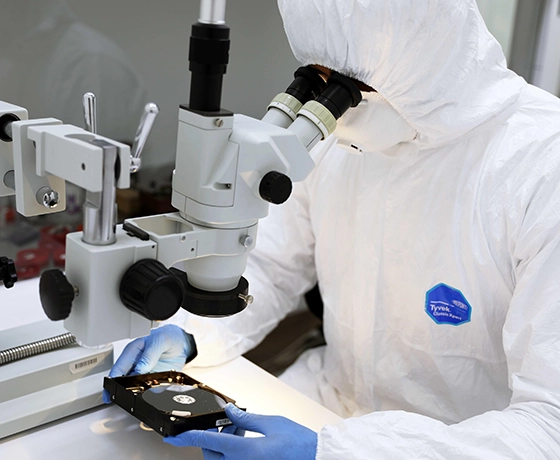
At PITS Data Recovery, our experienced engineers use three reliable methods for data destruction, each tailored to different device types and needs. One of the most common methods is Overwriting (also known as data wiping), where new data is written over the old. This method is highly effective and preserves the functionality of the device, making it a great option if you plan to continue using the device after the data is destroyed. For most situations, overwriting the data once is sufficient, but for optimal results, we recommend wiping the data multiple times to ensure it is fully unrecoverable.
The main drawback of degaussing is that it renders the storage device completely unusable. Since the process damages the magnetic components of the device, it cannot be reused after degaussing, making it unsuitable if you intend to keep or repurpose the media. While degaussing is one of the quickest and most thorough data destruction methods for magnetic storage, it’s essential to consider whether the device will need to be functional afterward. For those seeking to destroy data permanently without regard for device reuse, degaussing is a powerful and efficient solution.
Degaussing
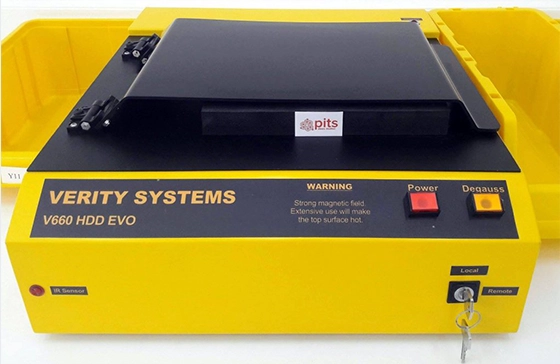
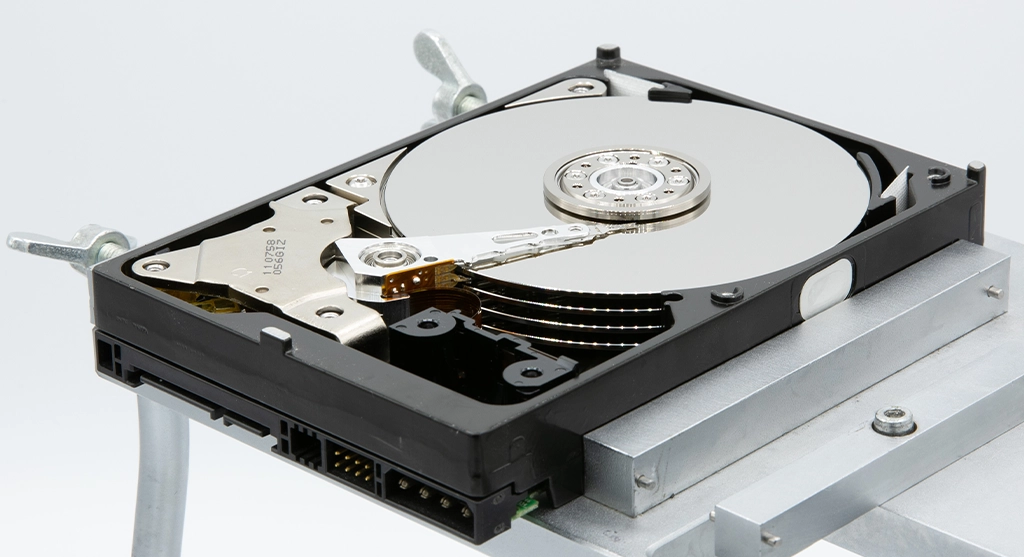
Another highly effective method of data destruction is Degaussing, which is used primarily on magnetic storage devices such as hard drives, tapes, and other media. Hard drives use magnetic technology to store data, and degaussing works by disrupting the magnetic field, effectively destroying the stored data. This method is incredibly fast and can quickly purge an entire storage medium, making it ideal for situations where immediate and complete data destruction is required. However, it is important to note that degaussing is only effective on magnetic storage devices, and cannot be used to erase data from solid-state drives or other non-magnetic media.
The main drawback of degaussing is that it renders the storage device completely unusable. Since the process damages the magnetic components of the device, it cannot be reused after degaussing, making it unsuitable if you intend to keep or repurpose the media.
While degaussing is one of the quickest and most thorough data destruction methods for magnetic storage, it’s essential to consider whether the device will need to be functional afterward. For those seeking to destroy data permanently without regard for device reuse, degaussing is a powerful and efficient solution.
Physical Damage
For storage devices that are no longer needed, physical destruction is an effective way to prevent sensitive data from being accessed or recovered. This process may involve shredding, drilling, crushing, or pulverizing the device to damage the storage media beyond practical use.
Because incomplete destruction can leave portions of data recoverable, these procedures should be handled carefully using appropriate equipment. At PITS Data Recovery, we provide secure physical data destruction and media disposal services for hard drives, SSDs, and other storage devices, helping reduce the risk of unauthorized data recovery.