

When a storage device fails, the transition from a functional workstation to a total system lockout often happens in seconds.
For a creative professional in California, this became a reality when their MacBook Pro suddenly stopped recognizing the internal drive during a high-priority project.
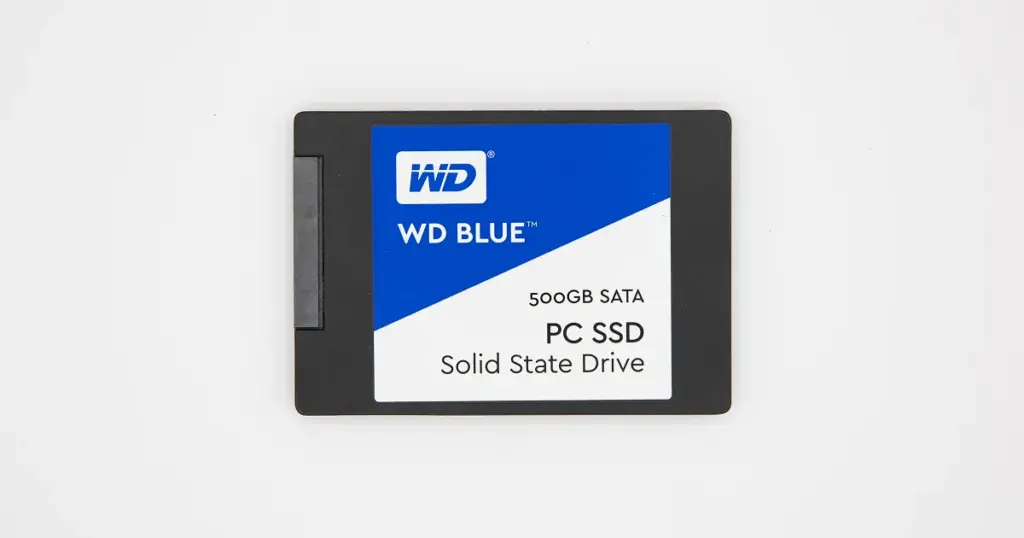
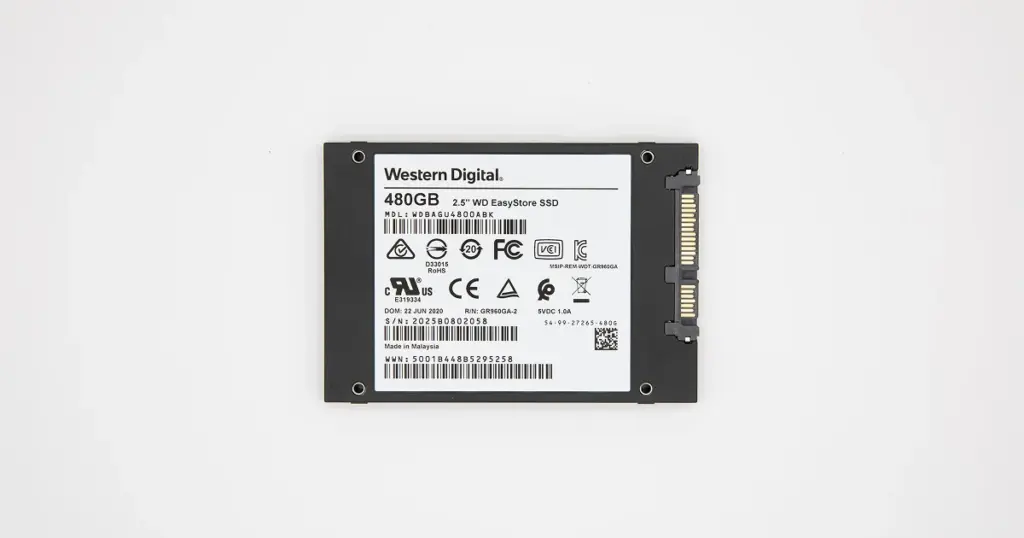
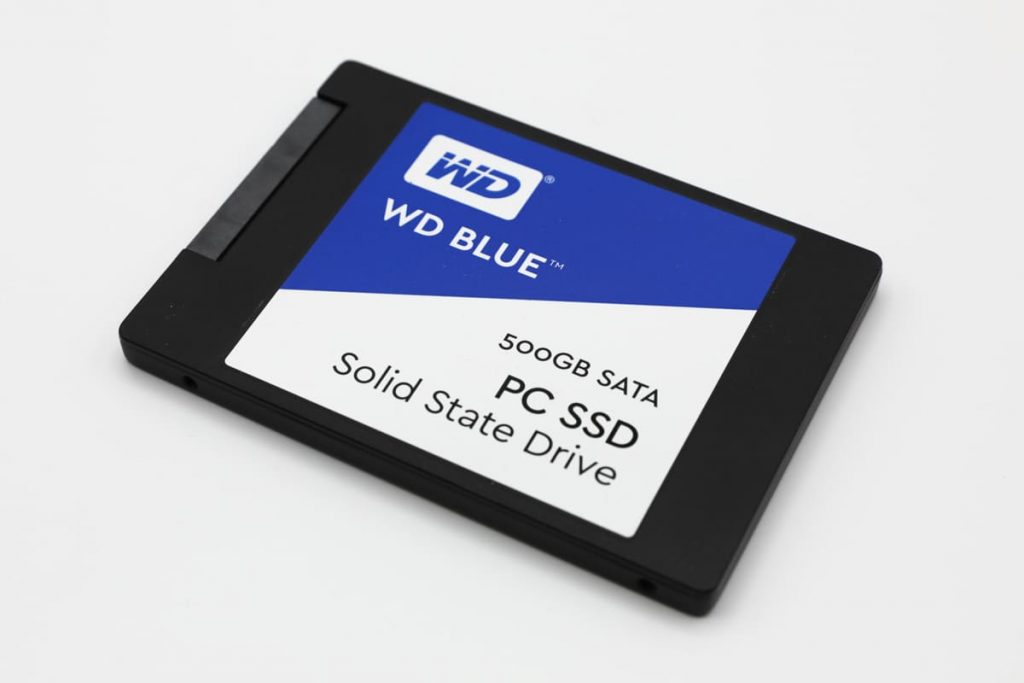
The drive, a Western Digital (WD) Blue SSD, had been the primary storage for years of portfolio work and active client assets.
The Situation: Business Impact of Sudden SSD Failure
The client noticed the first signs of trouble when the system froze during a standard file save operation. After a forced restart, the MacBook Pro failed to boot, displaying only the “folder with a question mark” icon.
This symptom indicates that the system cannot find a bootable operating system, often because the hardware itself has disappeared from the BIOS or EFI communication layer.
For this professional, the stakes were immediate:
- Loss of access to three active client projects with upcoming deadlines.
- Inability to retrieve historical archives not yet synced to the cloud.
- Total work stoppage during a peak production week.
Industry-Leading 99% Success Rate
No hidden fees. No surprises. Just expert data recovery you can trust. We handle everything from simple file loss to extreme data recovery cases. If we can’t recover your data, no one can.
Diagnostic Findings: Beyond Logical Corruption
Upon arrival at the PITS Data Recovery laboratory, our engineers performed a controlled diagnostic evaluation.
Standard external adapters and software-based recovery tools were unable to communicate with the WD Blue SSD. This confirmed that the issue was not a simple file system error or accidental deletion, but a hardware-level failure.
In many modern SSDs, the drive may “vanish” from the system due to a failure in the controller or a corruption of the firmware. When the controller cannot initialize, it cannot present the data stored on the NAND flash chips to the computer.
To understand why a drive might stop appearing in your system, you can learn more about why an SSD is not showing up on a computer.

Comparing Recovery Paths: Software vs. Professional Lab
Many users attempt to use “unformat” or “file recovery” software when a drive fails. However, as shown in the table below, the nature of the failure determines the safety of the approach.
| Feature | DIY Software Recovery | Professional Lab Recovery |
|---|---|---|
| Failure Type | Best for accidental deletion | Required for hardware/firmware failure |
| Hardware Safety | High risk of further damage | Controlled environment (Cleanroom) |
| Detection | Requires drive to be "visible" | Bypasses failed controllers |
| Success Rate | Very low for dead SSDs | High for physical/electronic failures |
| Data Integrity | Potential for permanent corruption | Bit-for-bit forensic imaging |
The PITS Engineering Process: NAND Access and Firmware Repair
The recovery of the WD Blue SSD required a multi-stage technical intervention. Since the controller was non-functional, our specialists had to address the firmware layer directly.
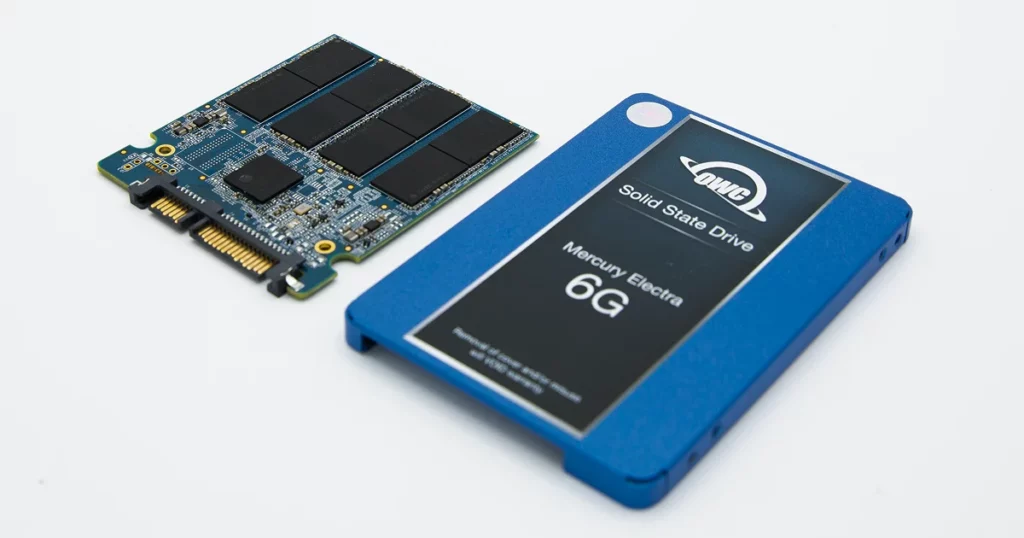
SSDs use complex “Flash Translation Layers” to manage data; when this layer becomes corrupted, the drive enters a “panic mode” and stops communicating.
Our engineers utilized specialized hardware tools to emulate the drive’s controller and gain access to the NAND memory. This process involves:
- Repairing the microcode in the drive’s service area.
- Stabilizing the power management components.
- Reconstructing the metadata that maps where file fragments are stored across the flash chips.
To understand the specific challenges associated with this hardware line, you can read more about WD Blue recovery techniques.
If an SSD is not recognized by your MacBook, avoid repeated “hard resets” or leaving the device powered on for long periods. SSDs have a background process called “Garbage Collection.” If the drive is failing, the controller may attempt to “clean” cells it perceives as invalid, potentially overwriting the very data you are trying to save.

Your Data Security Is Our Priority
Data privacy isn’t optional. It’s our commitment. Our secure recovery process ensures your sensitive information stays protected from start to finish.
HIPAA Compliant
GDPR Compliant
Secure Facility
NDA Available
Trust in certified security. Start your recovery today! Call Now: 888.611.0737
Don't Let Data Loss Ruin Your Business
Minimize business disruption. We retrieve lost data fast, so you can focus on what matters.
Recovery Outcome and File Verification
By bypassing the failed hardware components and working directly with the memory chips, PITS engineers successfully imaged the drive. Once the raw data was secured, we addressed file system inconsistencies caused by the abrupt failure.
The result was a high-success recovery. The client’s entire directory structure was restored, allowing them to resume work within days of the initial failure. We delivered the recovered data on a secure, encrypted external drive to ensure privacy and data integrity.
For those wondering about the possibilities of retrieval in similar situations, you can learn more about how SSD data can be recovered even after a total hardware crash.
Why Professional SSD Recovery Matters for MacBook Users
MacBook Pro users often face unique challenges due to the specific drive interfaces and file system architectures used by Apple.
Whether the drive is an mSATA, M.2, or a proprietary blade SSD, the integration with the motherboard requires specialized knowledge to safely extract data without causing further electronic damage.
Unlike traditional hard drives, SSDs have no moving parts, but they are significantly more sensitive to voltage spikes and firmware “bit rot.” Professional labs use specialized equipment to read NAND chips directly, a process that is impossible with standard consumer hardware.
To explore the nuances of Apple-specific storage failures, read more about MacBook Pro mSATA SSD failure and how it impacts recovery.

DIY Recovery
Risks permanent data loss
Let the Specialists Handle It
DIY attempts often result in permanent data loss. Our certified recovery specialists use advanced tools in controlled environments for the highest success rate.

24/7 Emergency Service
Final Takeaway and Next Steps
Data loss can be a major setback, but it does not have to be permanent. If your MacBook Pro or WD Blue SSD has failed, the most important step is to stop using the device to prevent further damage.
Contact PITS Data Recovery for a professional evaluation and secure recovery options. Our engineers have the specialized tools and cleanroom environments necessary to handle the most complex SSD failure scenarios.
Start your recovery case now by calling our support team or requesting a professional evaluation through our secure online portal.
Frequently Asked Questions
Is it possible to recover data if the SSD is not recognized?
Can I use software to fix a dead WD Blue SSD?
Why did my WD Blue SSD fail so suddenly?
Is my data kept confidential during the recovery?
Get a Free Consultation.
Our recovery experts are ready to assess your device and guide you through the safest path to recovery. Fill out the form to get started.
"*" indicates required fields