

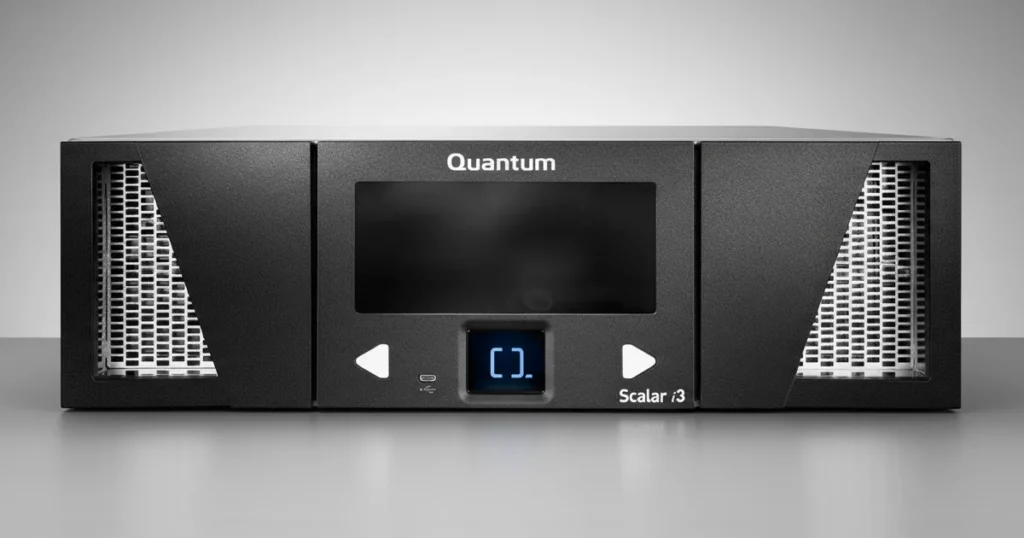
A small manufacturing company lost access to critical backups after a flood submerged its Quantum Scalar LTO-6 tape media.
Standard restore attempts failed because water damage destroyed the tape contact memory chip and corrupted the metadata required for normal mounting and indexing.
Our engineers extracted the raw tape content using specialized read methods and reconstructed the file structure for reliable restoration.
The recovered backup data was validated and delivered in a usable structure, allowing the client to restart production workflows.
Incident Snapshot and Initial Condition
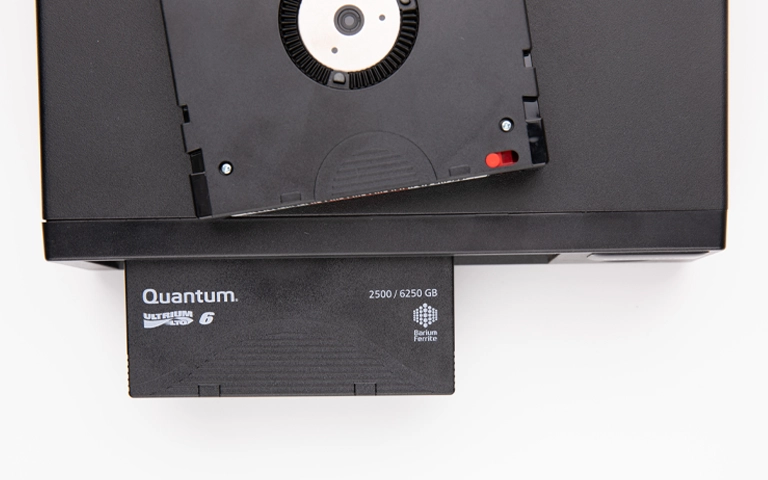
A flood event submerged the company’s Quantum Scalar LTO-6 backup tapes, leaving the media physically compromised and the backup set inaccessible.
What the client reported
Backups could not be restored through normal tape loading and read operations
Recovery attempts failed due to missing or unreadable tape metadata
Production and day to day operations were disrupted due to unavailable archives
Initial condition on intake
- Visible signs of moisture exposure on tape components
- Tape identification and cataloging could not be trusted due to metadata damage
- High risk of further media degradation if handled or reattempted improperly
If backup tapes are water exposed, do not attempt multiple load cycles. Each pass can worsen media wear and reduce recoverable data.
Technical Findings at a Glance
| Issue Identified | Evidence Observed | Severity |
|---|---|---|
| Water damaged tape media | Flood exposure, moisture impact on cartridge components | High |
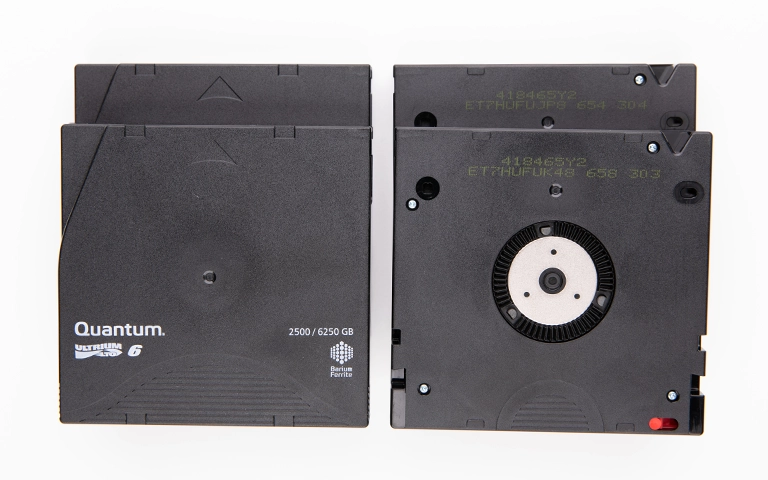
| Failed contact IC memory chip | Tape metadata unavailable or unreadable during standard access attempts | Critical |
| Metadata layer corruption | Tape could not be mounted and indexed normally | Critical |
| Elevated risk of media wear | Additional load cycles can accelerate physical damage | High |
The data footprint was recoverable, but the metadata layer was compromised, so recovery required alternative read methods plus file structure reconstruction.
For tape focused capabilities, explore Tape Data Recovery Services.

DIY Recovery
Risks permanent data loss
Let the Specialists Handle It
DIY attempts often result in permanent data loss. Our certified recovery specialists use advanced tools in controlled environments for the highest success rate.

24/7 Emergency Service
Stepwise Recovery Workflow
Step 1: Media Stabilization and Handling Control
We isolated and stabilized the tapes to minimize contamination and prevent additional surface wear before any read attempts.
Step 2: Non Standard Tape Read Strategy
We used specialized tape drives to extract data without relying on the damaged contact memory chip and its missing metadata.
Step 3: Raw Data Capture and Segmentation
We captured the tape content at the block level, separating usable data regions from damaged or noisy sections.
Step 4: File Structure Reconstruction
We analyzed block sequencing and dataset patterns to rebuild the directory structure and restore logical file organization.
Step 5: Integrity Validation and Readiness Checks
We verified directory integrity, checked file consistency, and validated key datasets before preparing the final deliverables.
Do not re-run restore jobs on water exposed tapes. Repeated load cycles and rewind operations can cause irreversible media wear and reduce recovery potential.
For a deeper technical breakdown, read more in The Complete Guide to LTO Tape Data Recovery.

Your Data Security Is Our Priority
Data privacy isn’t optional. It’s our commitment. Our secure recovery process ensures your sensitive information stays protected from start to finish.
HIPAA Compliant
GDPR Compliant
Secure Facility
NDA Available
Trust in certified security. Start your recovery today! Call Now: 888.611.0737
Recovery Outcome and Data Validation
We successfully recovered the backup datasets from the water damaged LTO-6 cartridges and rebuilt the original file hierarchy into a browsable structure suitable for restoration workflows. This enabled the client to regain access to the archives required to resume production operations.
To validate integrity, we reviewed the reconstructed folder and file structure, performed open and read checks on priority business datasets, and confirmed consistency against the expected backup set layout.
The final deliverables were provided on a compatible recovery target, along with brief restore guidance for reintegration into the client’s environment.
For similar outcomes, see related cases in our HPE LTO-7 Tape Recovery case study.
Don't Let Data Loss Ruin Your Business
Minimize business disruption. We retrieve lost data fast, so you can focus on what matters.
Key Takeaways for Prevention
Do not load or rewind water exposed tapes. Every additional pass increases friction, sheds debris, and can destroy readable tracks.
Avoid DIY drying or heat exposure. Hair dryers, heaters, and direct sunlight can warp media and deform cartridge components.
Quarantine first, then assess. Isolate affected tapes in clean, sealed packaging to prevent contamination and mold transfer to other cartridges.
Stop trusting catalogs after a flood. Metadata and tape IDs can become unreliable, so restoration plans should assume revalidation is required.
Design for site level disasters. Maintain offsite rotation, keep at least one verified copy outside the facility, and run scheduled restore tests to confirm usability.
Contact Us for LTO Tape Recovery
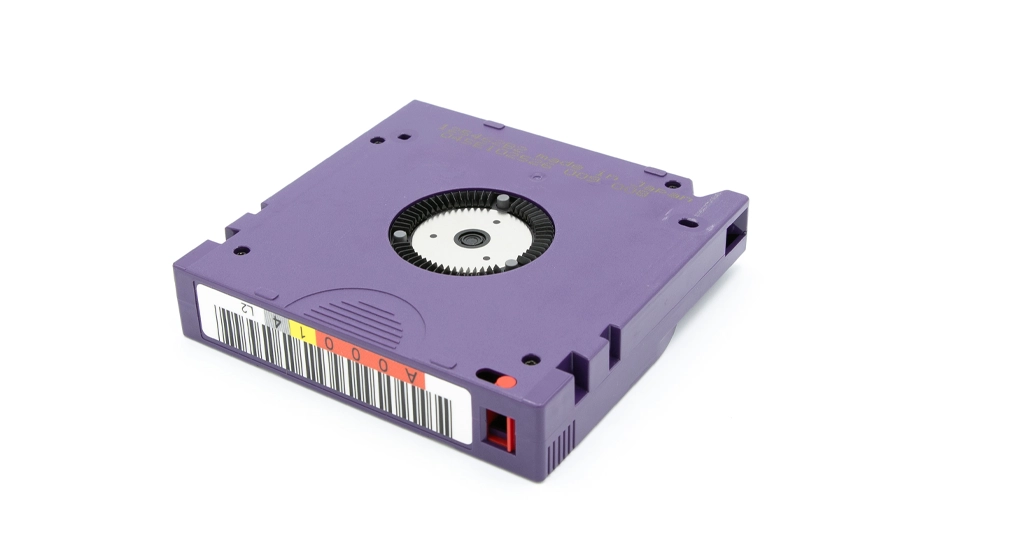
If you are dealing with flood damaged backup tapes, stop all restore attempts and avoid loading the cartridges.
Contact us for a controlled evaluation and LTO tape recovery plan, including file structure reconstruction and verified deliverables.
Get a Free Consultation.
Our recovery experts are ready to assess your device and guide you through the safest path to recovery. Fill out the form to get started.
"*" indicates required fields