

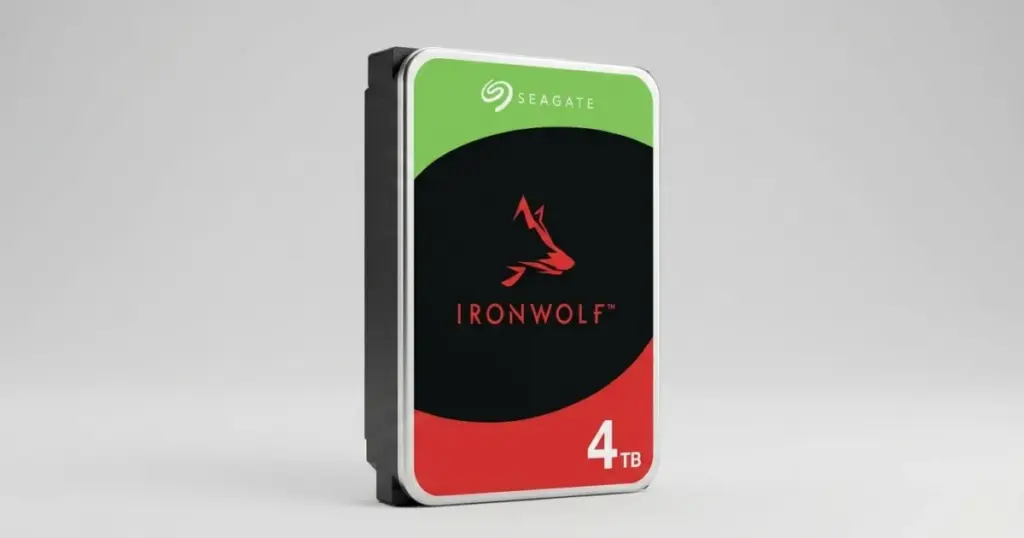
When a Seagate IronWolf 4TB drive suddenly stops showing up in Windows 10, the issue can move from inconvenient to business-critical fast. The drive may not appear in File Explorer, may fail to mount, or may remain inaccessible even after basic connection checks.
This case involved a small business owner who needed access to operational files stored on Seagate IronWolf NAS drives.
The situation required more than standard troubleshooting because the failure was tied to firmware-level access issues, not a simple USB or cable problem.
Customer Situation
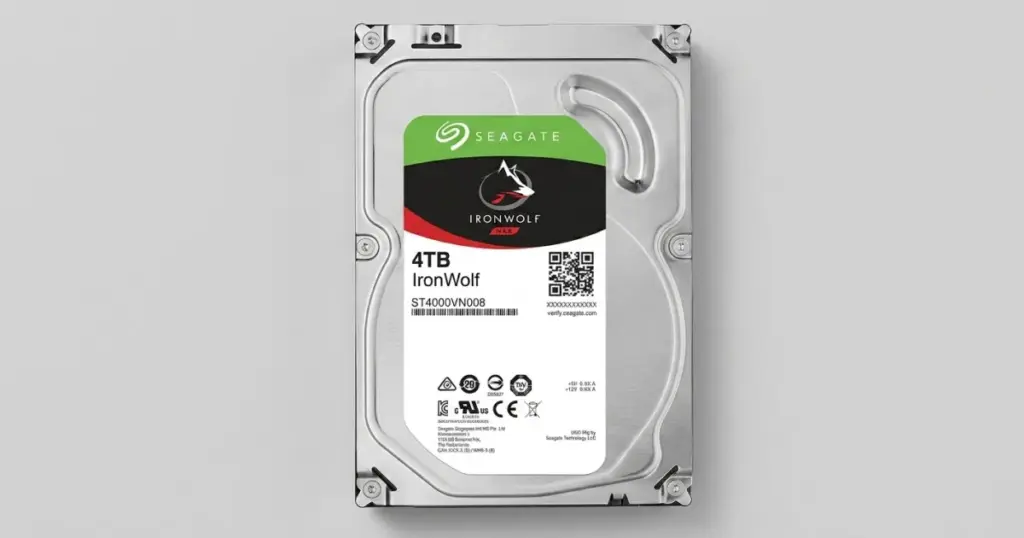
The customer had purchased two Seagate IronWolf 4TB NAS drives to expand storage capacity for a Windows 10 PC. For several months, both drives operated normally. Then, without warning, the computer stopped recognizing them.
The business owner was facing several immediate problems:
- Critical business documents were no longer accessible.
- Operational files needed for daily work were locked behind the failure.
- Standard Windows troubleshooting did not restore access.
- Continued attempts created concern about making the problem worse.
This was not just a storage inconvenience. It was a direct operational disruption. Learn more about professional Seagate data recovery options for business-critical drives.
Don't Let Data Loss Ruin Your Business
Minimize business disruption. We retrieve lost data fast, so you can focus on what matters.
What Went Wrong
PITS received the affected Seagate IronWolf 4TB drive and began with a controlled evaluation. Specialized diagnostics identified the root cause as a firmware incompatibility issue that had been worsened by recent Windows system updates.
In practical terms, the drive’s media was not simply “missing” from Windows. The system could not properly communicate with the device due to firmware-level behavior. That made consumer recovery software or repeated connection attempts a poor strategy.

Initial Troubleshooting and Risk
Before contacting PITS, the customer took reasonable basic steps:
- Checked drive connections.
- Tested different USB ports.
- Attempted to confirm whether Windows would detect the drives.
- Stopped once the drives remained inaccessible.
When a drive is not recognized, every additional attempt can change the condition of the device or reduce the quality of recoverable data.

DIY Recovery
Risks permanent data loss
Let the Specialists Handle It
DIY attempts often result in permanent data loss. Our certified recovery specialists use advanced tools in controlled environments for the highest success rate.

24/7 Emergency Service
How PITS Approached the Recovery
Step 1: Physical Inspection
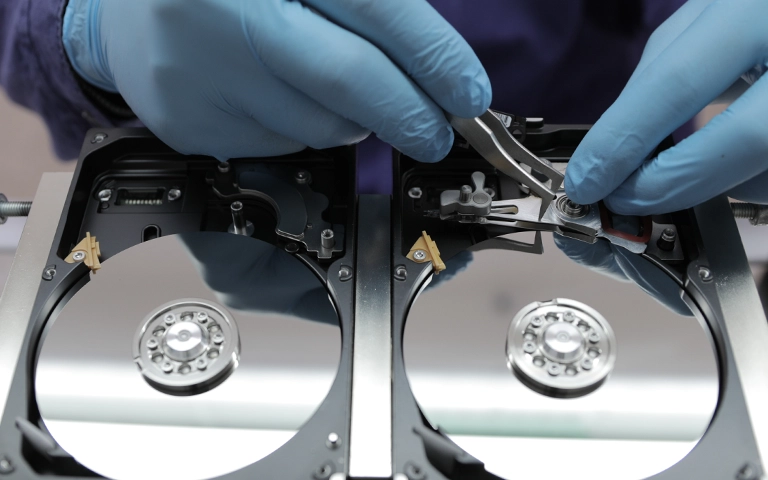
The drive was inspected to determine whether mechanical handling risks were present before recovery work began.
Step 2: Specialized Diagnostics
PITS used advanced diagnostics to confirm that the access problem was tied to firmware incompatibility rather than a basic Windows detection issue.
Step 3: Controlled Drive Cloning
A clone of the affected drive was created. This reduced dependency on the original media and limited unnecessary exposure during recovery.
Step 4: Recovery From the Clone
Engineers worked from the cloned image instead of repeatedly accessing the original drive. This helped protect the source device while recovery operations were performed.
Step 5: File Extraction and Verification
Advanced recovery tools were used to extract the customer’s data. The recovered files were then verified for accessibility and usability through a remote file verification session.
See another Seagate IronWolf recovery example involving a business-critical storage device.
Why Professional Recovery Mattered
This case needed professional recovery because the drive had firmware-level access issues, not a simple Windows error.
DIY attempts could have increased risk through:
- Repeated reconnection attempts.
- Recovery software scans against an unstable device.
- Accidental formatting or initialization.
- Write activity that could compromise recoverability.
- Misdiagnosis of the failure as a simple Windows problem.
PITS reduced risk by diagnosing first, cloning the drive, and recovering data from the clone instead of the original media.
Industry-Leading 99% Success Rate
No hidden fees. No surprises. Just expert data recovery you can trust. We handle everything from simple file loss to extreme data recovery cases. If we can’t recover your data, no one can.
Recovery Outcome
PITS achieved a 99% successful recovery from the affected Seagate IronWolf 4TB drive, restoring the customer’s critical business documents and operational files.
The recovered data was verified as accessible and usable during a remote file verification session, allowing the client to regain access to essential business data.
To understand how similar “unrecognized” symptoms affect different drive models, you can read more about Seagate GoFlex Not Recognized.

Certified & Trusted Data Recovery
PITS Data Recovery is certified by leading industry authorities, ensuring secure and compliant data recovery for businesses and individuals.







Secure Your Data Before It’s Too Late
A Seagate IronWolf 4TB drive not recognized by Windows 10 may signal more than a connection issue. In this case, firmware incompatibility blocked access and required controlled recovery.
If your drive is no longer detected, do not initialize, format, scan, or keep reconnecting it. Request a PITS evaluation before recovery options narrow.

Frequently Asked Questions
Why is my Seagate IronWolf 4TB drive not recognized by Windows 10?
Can recovery software fix a Seagate drive that is not detected?
Is it safe to keep reconnecting an unrecognized hard drive?
When should I contact a professional data recovery company?
Get a Free Consultation.
Our recovery experts are ready to assess your device and guide you through the safest path to recovery. Fill out the form to get started.
"*" indicates required fields